A Day Trip to Bologna from Florence by Train: Full Practical Guide
Bologna is just 35 minutes from Florence by high-speed train. This Florence day trip to Bologna by train guide covers tickets, what to see, where to eat.
Bologna in 35 minutes: what that actually means
The Frecciarossa high-speed train covers the distance between Florence and Bologna in 35 to 37 minutes. That is shorter than many commuter journeys within a single city. In practical terms, it means you can leave your Florence accommodation after a relaxed breakfast and be standing in Piazza Maggiore in central Bologna before 10:00.
This proximity makes Bologna a unique kind of day trip. It does not require the logistical planning of a longer journey. You do not need to leave the night before or compromise on your Florence itinerary. Bologna can simply be a Tuesday.
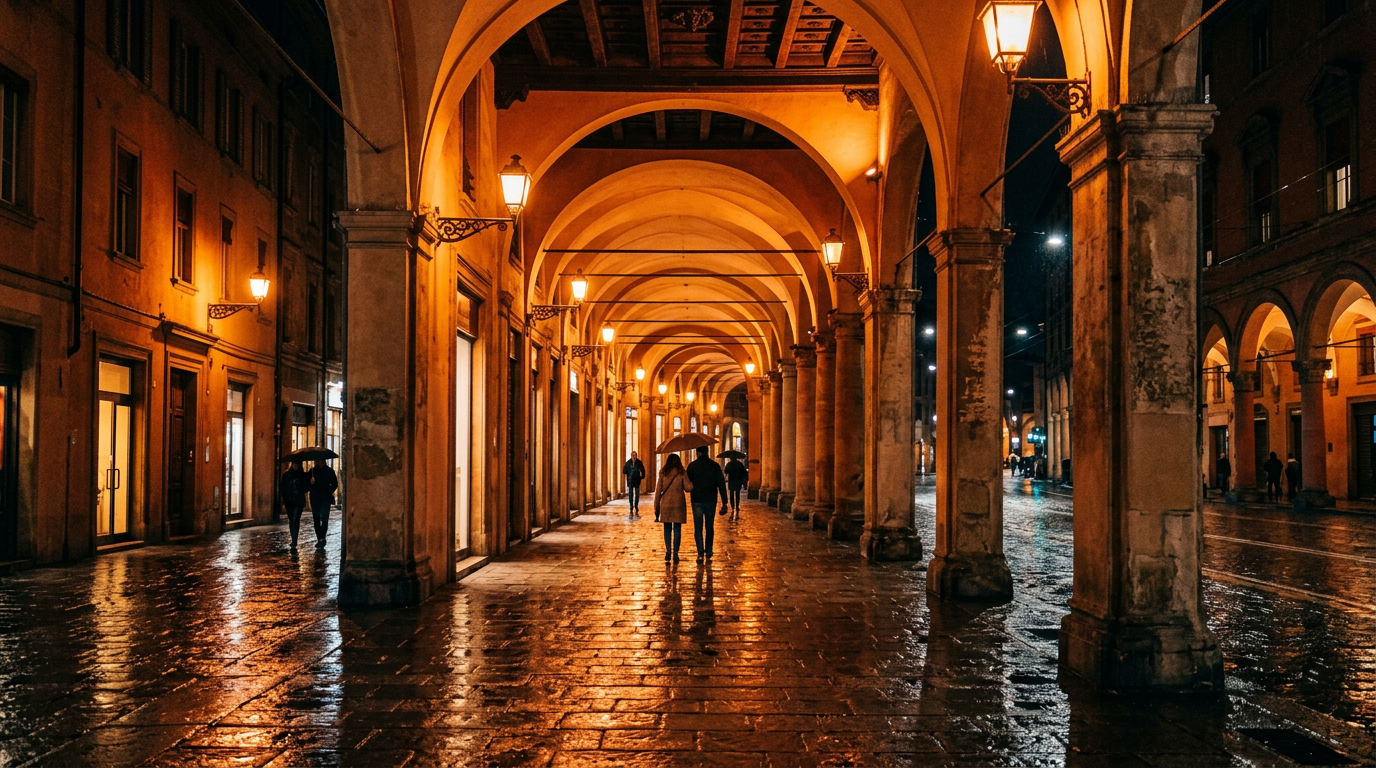
The city itself rewards the short journey. It is genuinely different from Florence: medieval in its bones but with an energy shaped by its university, its food culture, and a street life that feels less staged for tourists than the Tuscan capital. The porticoes that line the streets create a covered city that is walkable in any weather.
Train details: booking, prices, and platforms
Route: Florence Santa Maria Novella to Bologna Centrale. High-speed Frecciarossa and Frecciabianca services run on this corridor throughout the day.
Journey time: 35 to 37 minutes on the high-speed service. Regional trains also connect the two cities via a slower route taking 1.5 to 2 hours, but for a day trip the time saving on the high-speed train is clearly worth the price difference.
Frequency: High-speed departures operate roughly every 30 to 60 minutes from around 06:00 to 22:00. You have enough flexibility to choose your departure time without being locked into one option.
Prices: The high-speed fare varies considerably depending on when you book. Booking 2 to 4 weeks ahead, second-class seats cost approximately 9 to 15 euros each way. Booking on the day of travel, the same seats cost 20 to 35 euros. The lesson is straightforward: decide early and book early.
Both Trenitalia and Italo operate trains on this route. Check both platforms before booking, as prices and seat availability differ.
Bologna Centrale is located in the city centre. Piazza Maggiore and the historic core are about 15 minutes on foot north from the station, or a short bus ride on lines 25, 36, or 37.
What to see in Bologna in a full day
Bologna is walkable. The historic centre covers roughly 2.5 km at its widest point, and most of the significant sites cluster within a 1 km radius of Piazza Maggiore. You do not need a taxi to move between them.
Piazza Maggiore and Piazza del Nettuno: The civic heart of Bologna. The Basilica di San Petronio faces the main piazza. Entry is free. The interior is enormous: at the fifth largest church in the world by volume, it has a monumental scale that surprises visitors expecting a compact Italian church. The floor contains a 16th-century meridian line inlaid in stone by astronomer Giovanni Cassini. The adjacent piazza holds the bronze Neptune fountain, one of the finest Renaissance bronzes in Italy.
The Two Towers: The Asinelli and Garisenda towers once numbered in the hundreds across medieval Bologna. Today two survive in their original heights at the intersection of the old city. The Asinelli Tower (entry 5 euros) can be climbed: 498 steps to a panoramic platform above the terracotta rooftops. The Garisenda leans more dramatically than the Pisa tower but cannot be entered.
Piazza Santo Stefano: Ten minutes east of Piazza Maggiore, this triangular piazza holds the Basilica di Santo Stefano, a complex of seven interlocked medieval churches that share courtyards and cloisters. Entry is free. The interior spaces vary from the austere to the genuinely strange. The piazza has some of the best cafe seating in the city.
The Quadrilatero and Mercato di Mezzo: The old market quarter between Piazza Maggiore and Via Rizzoli. The streets here are narrow and lined with specialist food shops selling mortadella, aged Parmigiano Reggiano, fresh pasta, and local wines. The covered Mercato di Mezzo on Via Clavature runs daily from 08:00 to midnight and is the most visitor-friendly entry point to Bologna’s food culture.
The Archiginnasio Library: Piazza Galvani 1, open Monday to Friday 09:00 to 19:00 and Saturday 09:00 to 14:00. The former main building of the University of Bologna, which was founded in 1088 and is the oldest university in the western world. The library contains an extraordinary painted ceiling and an anatomical theatre used for Renaissance medical demonstrations. Entry is free.
Bologna’s porticoes and its food
Bologna has approximately 40 km of porticoes within the city. These covered walkways line the streets at ground floor level and mean you can walk across the entire historic centre without exposure to rain. The porticoes were designated a UNESCO World Heritage Site in 2021.
The longest individual portico in the world connects the city centre to the Sanctuary of the Madonna di San Luca on the hill above Bologna: 3.8 km of unbroken covered walkway with 666 arches. Walking it takes about 45 minutes each way. If you have time and energy after the city, the climb and the hilltop view are a rewarding way to end the afternoon.
Bolognese cuisine is the reason Italy calls Bologna “La Grassa” (the Fat). The city is the origin of tagliatelle al ragu, the authentic precursor to what the rest of the world calls Bolognese sauce. It is also the home of tortellini (small pasta rings filled with meat and served in broth), mortadella in its original form, and a tradition of fresh egg pasta that is difficult to find at this quality elsewhere.
For lunch, the streets around Via Clavature, Vicolo Ranocchi, and Via Pescherie Vecchie have the densest concentration of good trattorias and food shops. A proper sit-down lunch with tagliatelle al ragu, a glass of local Pignoletto, and dessert runs approximately 20 to 30 euros per person.
A mortadella sandwich from one of the salumerie near the Quadrilatero is an excellent budget alternative: typically 5 to 8 euros for a generous portion.
Planning your day: a practical schedule
07:30 Depart Florence Santa Maria Novella. Arrive Bologna Centrale at approximately 08:10.
08:30 Walk or bus to Piazza Maggiore. Visit the Basilica di San Petronio before the morning crowds.
09:30 Piazza del Nettuno and surrounding streets.
10:30 Mercato di Mezzo and the Quadrilatero food market lanes.
11:30 Climb the Asinelli Tower, or visit the Archiginnasio Library if the tower queue is long.
13:00 Lunch in the Quadrilatero area.
14:30 Piazza Santo Stefano and the Basilica di Santo Stefano complex.
15:30 Walk along the Via dell’Indipendenza porticoes, or explore the Via Zamboni university quarter.
17:00 Return to Bologna Centrale for the high-speed train back to Florence.
This schedule is full but not rushed. There is room to slow down or spend longer in the food market without losing the whole afternoon.
Is Bologna worth a day trip from Florence
It is, for two specific reasons. Bologna is genuinely different from Florence in character, and it is genuinely one of the best places to eat in Italy. Those two things together make it worth a short train journey.
The one practical requirement is advance booking. If you book the train the morning you travel and pay the walk-up price of 30 euros each way, the transport alone costs 60 euros for two people. Book 10 to 14 days ahead and the same journey costs a fraction of that. The day trip arithmetic works at advance prices; it is less compelling at last-minute ones.
Where to Stay in Florence
Using Florence as your base for a Bologna day trip makes obvious sense when the connection is this fast. The Key is at Via Cittadella 22, 5 minutes on foot from Santa Maria Novella station, making even an early morning departure straightforward and unhurried.
Full details at The Key.